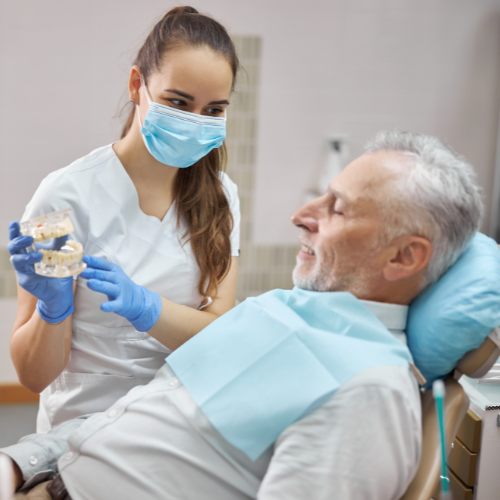
How long does bone regeneration take after GBR? Discover the process, typical timeframe, and factors affecting healing & recovery time.
Sobre el servicio
Implantes y prótesis · Bone regeneration: process and timeframe
How Long Does Guided Bone Regeneration (GBR) Take? Process and Timeframe One of the most common questions when considering Guided Bone Regeneration (GBR) is how long the entire process will take until the bone is ready for the next phase, such as dental implant placement. It's important to understand that the exact time varies from person to person, as bone healing is a biological process influenced by several factors: Factors Influencing Regeneration Time: Magnitude and Complexity of the Bone Defect: Larger areas or types of defects requiring more extensive regeneration will naturally need a longer healing period. Type of Biomaterial Used: The choice of graft material (autologous, allograft, synthetic, etc.) and the membrane used can affect the speed and quality of bone integration and maturation. Patient's General Health and Habits: Systemic conditions like uncontrolled diabetes or habits like smoking can significantly slow down the body's ability to heal and form new bone. Surgical Technique: Precise execution of the procedure, careful tissue handling, and proper containment of the graft by the surgeon are crucial for optimizing results and healing time. Estimated General Timeframe: Although the factors mentioned cause variability, in most cases, the time required for the regenerated bone to reach sufficient density and maturity to support loads (such as those from a dental implant) is typically between 4 and 6 months. During this period, the bone graft gradually integrates with the existing bone, forming a solid foundation for future dental implants. The Biological Process of Regeneration: The process of bone healing after GBR is a complex biological cascade, driven by key principles facilitated by the graft and GBR membrane: Inflammatory Phase: Immediately after surgery, the body initiates an inflammatory response necessary to clean the area and attract reparative cells. Proliferative Phase / Osteogenesis & Osteoinduction: Stem cells and bone-forming cells migrate to the site. Driven by growth factors (osteoinduction) and using the graft as a scaffold (osteoconduction), they begin to form new bone tissue. If the patient's own bone (autologous graft) was used, its living cells (osteogenesis) also contribute. Consolidation / Remodeling Phase: The initial bone tissue formed becomes denser and more organized. Over several months, the bone is continuously remodeled to adapt to forces and achieve its maximum strength. What to Expect During the Healing Period? Initial Phase (First Weeks): It is common to experience some swelling, mild bruising, and discomfort in the treated area in the first few days. Pain relievers and possibly antibiotics will be prescribed. It is crucial to strictly follow the post-operative care instructions and maintain gentle oral hygiene around the surgical site. Follow-up and Ongoing Process (Following Months): Follow-up appointments will be scheduled to check initial healing (suture removal, if applicable) and, most importantly, to monitor the progress of bone regeneration periodically using clinical exams and imaging (like X-rays). Patience is key, as most of the "waiting" is the biological time your body takes to form new bone and consolidate the graft. Conclusion: An Investment in Long-Term Success Although the waiting period of 4 to 6 months may seem considerable, this period is a crucial investment that ensures the necessary bone quality and quantity for your future dental implants to have adequate support, guaranteeing their success and longevity. At clinicanaturalsmile.com, we understand the importance of every stage of this process. Our team will guide and support you with expert care and constant monitoring throughout the entire healing period, ensuring your comfort and the optimal progress of regeneration. If you have questions about GBR or wish to know more about how long it might take in your specific case, don't hesitate to consult us. Schedule your appointment today for a personalized evaluation and begin your path towards a solid bone foundation for your smile! Regenerated bone generally needs four to nine months to mature enough to receive an implant. The timeline depends on the size of the defect, the material used, the area of the mouth and the patient's health. The specialist confirms readiness with follow-ups and X-rays. In the first days, the gum heals and swelling goes down; stitches are usually removed around two weeks. Then, over several months, the graft integrates and turns into your own bone, even though you can't see it. Finally, imaging is used to check whether it's ready for the implant. Most patients with desk jobs return to their normal routine within one or two days. If your work involves heavy physical effort, it's best to wait a few more days. Swelling usually peaks on the second or third day, so plan your surgery with that in mind. Smoking is the biggest factor, along with poorly controlled diabetes, putting pressure on the area while chewing, a denture rubbing against the graft, or not following the recommended hygiene. Some medications also play a role, so it's important to tell your specialist everything you take.Frequently asked questions
How long does dental bone regeneration take?
What are the healing stages after bone regeneration?
When can I go back to work after bone regeneration?
What can slow down bone graft healing?