TMJ disorder and bruxism in Panama: causes, symptoms, diagnosis and treatment, from night guards to therapy. Appointments available at Natural Smile.
Sobre el servicio
Bruxism and TMJ · Temporomandibular joint disorder
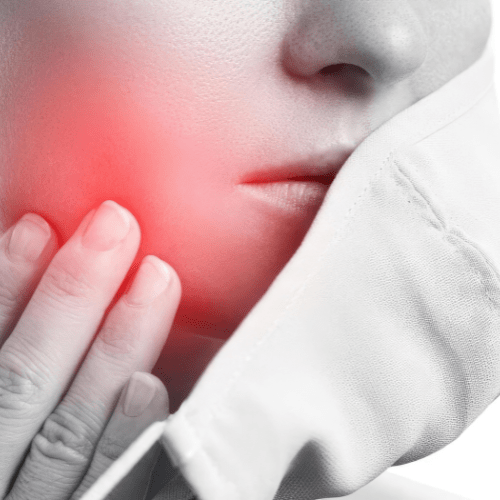
Temporomandibular joint (TMJ) disorder is a condition that affects the joint connecting the jaw to the skull. This joint makes movements like chewing, talking and swallowing possible. When there are problems in this area, it can cause pain and limit how well the jaw works.
What Is the Temporomandibular Joint?
The The temporomandibular joint (TMJ) is the joint formed between the condyle of the jaw and the glenoid fossa of the temporal bone, and it makes it possible to open and close the mouth; it is located in front of the ears. Its functions are crucial for everyday activities such as eating, talking, chewing, swallowing, yawning and making a range of facial expressions.
Parts of the TMJ
The TMJ is made up of several structures:
-
Temporal bone: The part of the skull where the jaw connects.
-
Jaw (mandible): The movable bone of the face that connects to the skull.
-
Articular disc: A small piece of cartilage that cushions and eases movement between the bones.
-
Ligaments: Structures that hold the joint in place.
-
Muscles: Muscle groups that make jaw movement possible.
What Causes TMJ Disorder?
There are several causes that can lead to TMJ disorder, including:
-
Bruxism: The habit of grinding or clenching the teeth, especially during sleep.
-
Stress: Emotionally tense situations that can cause tension in the jaw muscles.
-
Trauma: Physical injuries to the jaw or head.
-
Arthritis: Inflammation and wear of the joint.
-
Dental misalignment: Bite problems that affect how the joint works.
Symptoms of TMJ Disorder
The symptoms of TMJ disorder can vary in intensity and show up in different ways:
-
Pain: Pain in the jaw, in front of the ears, in the neck and shoulders.
-
Clicking: Clicking or popping sounds when moving the jaw.
-
Limited movement: Difficulty opening or closing the mouth.
-
Headaches: Frequent headaches, especially in the temples.
-
Tooth sensitivity: Sensitive teeth due to clenching or grinding.
Diagnosing TMJ Disorder
Diagnosing TMJ disorder usually involves a physical exam and questions about your symptoms. Health professionals may use several techniques to evaluate the joint:
-
Clinical exam: Assessment of jaw mobility and the presence of pain or noises.
-
X-rays: Images of the joint to see its structure.
-
Magnetic resonance imaging (MRI): Detailed images of the soft tissues around the TMJ.
-
Computed tomography (CT): Cross-sectional images of the joint.
Treating TMJ Disorder
The treatment for TMJ disorder can vary depending on the cause and how severe the symptoms are. Some of the options include:
Conservative treatments
-
Physical therapy: Exercises to improve mobility and reduce muscle tension.
-
Medication: Pain relievers and anti-inflammatories to ease the pain.
-
Night guard (occlusal splint): Dental devices that help correct the bite and reduce bruxism.
-
Psychological therapy: Managing stress and anxiety through techniques such as cognitive behavioral therapy.
Invasive treatments
-
Injections: Corticosteroid injections to reduce inflammation.
-
Arthrocentesis: A procedure to clean the joint by removing fluid.
-
Surgery: Surgical procedures in severe cases that don't respond to other treatments.
Preventing TMJ Disorder
Some measures can help prevent TMJ disorder, such as:
-
Stress management: Relaxation and stress management techniques.
-
Healthy habits: Avoiding excessive amounts of hard or sticky foods.
-
Good posture: Keeping good posture to reduce tension in the jaw.
-
Dental protection: Wearing night guards to prevent bruxism.
In conclusion, temporomandibular joint disorder is a condition that can significantly affect quality of life. It's important to seek medical help for any symptom and to follow the recommendations for its treatment and prevention. With proper management, symptoms can improve and the jaw can regain its function.
In Natural Smile Clinic we are committed to providing personalized care to restore health, function and a better quality of life to our patients.

Temporomandibular Joint

Night Guard

Virtual Articulator
Frequently asked questions
How are teeth grinding and TMJ related?
Bruxism, or clenching and grinding your teeth, puts the joint and muscles under constant strain, often for hours while you sleep. Over time this leads to inflammation, pain and tooth wear. That is why, for many patients, controlling bruxism is the core of TMJ treatment.
Can stress affect the TMJ?
Yes. Stress and anxiety increase muscle tension and the tendency to clench, both during the day and at night. Many people notice their jaw pain gets worse during stressful periods. Along with a night guard, relaxation techniques, good sleep and consciously relaxing your jaw during the day all help.
Does TMJ disorder require surgery?
Very rarely. The vast majority of cases improve with conservative care: a night guard, bite adjustments, exercises, physical therapy and habit control. Surgery is only considered when there is significant structural damage to the joint and other treatments have not worked, in which case the patient is referred to an oral and maxillofacial surgeon.
Can orthodontics help with TMJ?
It can help when misaligned teeth make the bite overload one side or force the jaw into a strained position. It is not the answer for every TMJ case, so the joint is stabilized first and orthodontics is evaluated afterward. At Natural Smile, Dr. Marcelo Gallardo assesses whether braces or Invisalign would benefit the treatment.