Repair bone loss before dental implants in Panama with Guided Bone Regeneration (GBR) and build a solid foundation. Book your appointment today.
Sobre el servicio
Implants and dentures · Guided bone regeneration in Panama
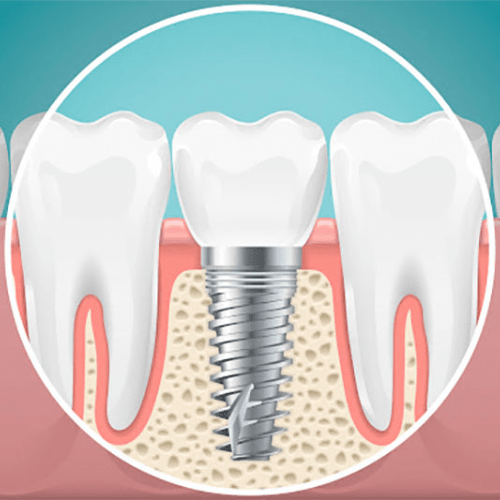
GUIDED BONE REGENERATION Guided Bone Regeneration (GBR) is a surgical technique that enables us to repair bone defects by creating a greater volume of bone in areas where there is some bone deformity or defect following a dental extraction. The objective of Bone Regeneration is to create the appropriate support for the placement of dental implants. The process of Bone Regeneration begins with osteogenesis, which stimulates the formation of new bone-forming cells from the bone graft. The placement of a membrane or mesh serves as a barrier at the site of the bone defect to protect and stimulate the growth of new bone. The barrier membrane prevents non-bone cells from invading the area, allowing bone cells to regenerate the lost bone. New bone will form in approximately 4 to 6 months after the bone graft. WHAT MATERIALS DO WE USE FOR GUIDED BONE REGENERATION? Depending on the origin of the biomaterial to be used, we can classify it into three groups: AUTOLOGOUS GRAFT This is when bone from the patient's own body is used. ALLOGRAFT In this type of graft, the bone comes from another person, so we are dealing with a graft that will be genetically different. In most of these cases, the graft comes from donors who may belong to blood and tissue banks. XENOGRAFT This type of bone graft comes from another animal species (usually bovine) and contains all the minerals of a human bone. CASES OF GUIDED BONE REGENERATION Image 1: Emergence profile prior to implant restoration Image 2: Post-scan to initiate implant crown restoration using Digital Flow Image 3: Crown restoration on implant In some cases, yes: when the defect is small and the existing bone holds the implant firmly, both are done at once. If bone loss is more significant, the bone is regenerated first and the implant is placed in a second surgery. A CT scan determines which option is safe. The bone around a tooth is maintained by the stimulation of chewing. Once the tooth is extracted, that area no longer bears load and shrinks, especially in the first months. Infections and gum disease also destroy bone. That's why regeneration is often needed before an implant. It's a common and predictable procedure, but like any surgery it can involve swelling, bruising, infection or membrane exposure if the wound opens. Smoking and not following instructions increase those risks. The specialist checks healing at follow-up visits so any issue is caught early. Yes, but it takes planning, because the process has several phases and the bone needs months to mature before an implant. Ideally, send your CT scan in advance so we can evaluate your case and organize your trips. Message us on WhatsApp at +507 6311-3112 and we'll coordinate dates with you.Frequently asked questions
Can the implant be placed during the same surgery as bone regeneration?
Why is bone lost after a tooth is pulled?
What are the risks of guided bone regeneration?
Can I travel to Panama for bone regeneration?